Project : Socio-Economic, Education, Employment, Political and Caste (SEEEPC) Survey
User Department(s):
Planning DepartmentProject Brief:
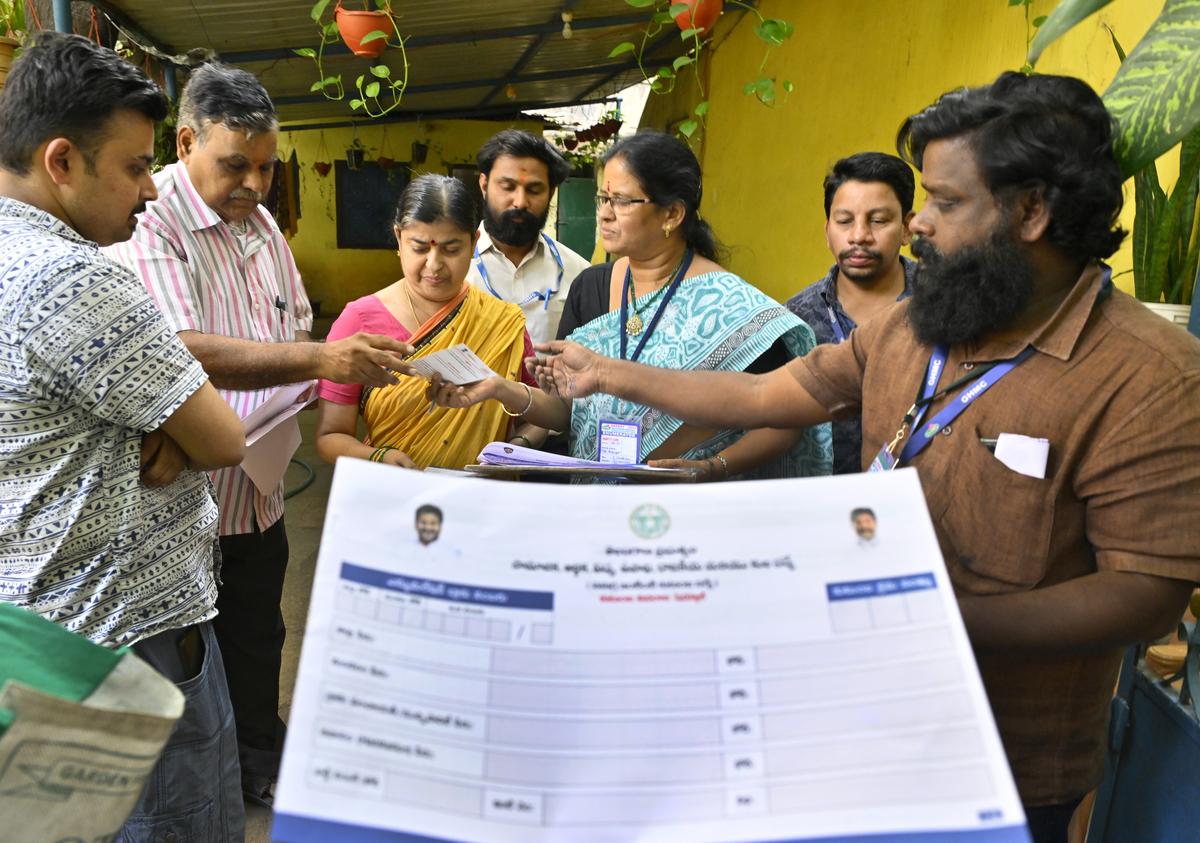
The Government of Telangana launched the Household-level Socio-Economic, Education, Employment, Political and Caste (SEEEPC) Survey in November 2024 with the objective of creating a comprehensive and reliable database covering every household in the state. Conducted in two phases, the survey captured detailed information on family composition, socio-economic status, education, employment, and other critical indicators to support evidence-based policy planning. The Planning Department acted as the nodal agency for this initiative.
To support this large-scale exercise, a robust and scalable IT system was conceptualized and developed. The platform enabled high-volume, real-time data entry from multiple locations simultaneously, supporting concurrent users across districts. Built on a cloud-based infrastructure, the system ensured high availability, scalability, and secure data management, even during peak periods of data inflow. It facilitated seamless data capture, storage, and processing, forming a strong foundation for analytics and decision-making.
Overall, Phases 1 and 2 of the survey captured data from approximately 1.12 crore households, representing a population of 3.8 crore.
Later the project transitioned from the data collection phase to a stage focused on deriving final outcomes and key findings. The emphasis shifted towards leveraging the collected data to guide government decision-making in welfare schemes, education, and employment initiatives. The system enabled data-driven policy formulation by providing actionable insights and comprehensive analytics. At the same time, efforts were directed towards efficient data utilization, system optimization, and integration with other government services to maximize the impact and usability of the SEEEPC database.
The SEEEPC AI-powered chatbot was developed as a bilingual (English & Telugu) virtual assistant, enabling secure, real-time, conversational access to survey data with graphical insights, and leveraging a tiered AI architecture to support efficient, data-driven policy decisions while balancing performance, cost, and security.